
Common Slip and Fall Injuries and How to Get Compensation

Slip and fall accidents caused by someone else’s negligence can be incredibly frustrating and disruptive to your life. These incidents often result in serious slip & fall injuries that may prevent victims from working, paying medical bills, or providing for their families.
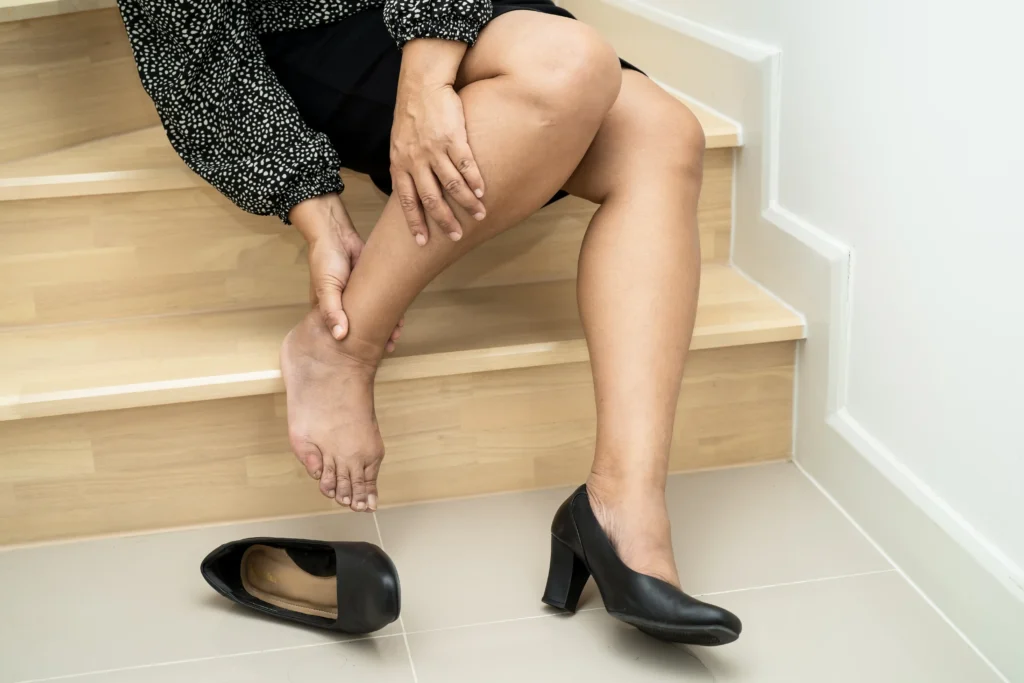
When it comes to estimating the value of a slip and fall settlement, there’s no one-size-fits-all answer. The value of your claim depends on several factors, including the severity of your injuries, the extent of your losses, and the evidence of negligence.
At My 25% Lawyer, our Atlanta attorneys will guide you through the process, explain how slip and fall claims work, and help you determine when a settlement is likely — helping you move forward with clarity and confidence.
Common Injuries from Slip and Fall Accidents
Slip and fall accidents can result in a wide range of injuries, from minor bruises to life-altering conditions. In 2021, emergency departments recorded nearly 3 million visits for older adult falls. Common injuries from slip and fall accidents include:
Fractures
Broken bones and arm injuries from a fall are one of the most common slip & fall injuries. The force of impact can cause fractures that may require surgery and long-term rehabilitation. Older adults and individuals with osteoporosis are particularly vulnerable. Fractures can occur in multiple areas, like arms, wrists, hips, and legs, significantly affecting mobility and daily function.
Sprains and Strains
When you have a slip and fall, your body often twists into sudden, awkward movements that stretch or tear muscles, ligaments, or tendons, resulting in sprains or strains. These injuries are especially common in the ankles and wrists when victims try to brace their fall.
Although sometimes seen as minor, they can limit mobility and delay recovery, impacting everyday activities like walking, typing, or getting dressed. These injuries shouldn’t be overlooked when pursuing compensation.
Head Injuries
Even without a visible wound, falls can lead to head trauma, including concussions and traumatic brain injuries (TBIs). A TBI can occur with or without direct impact, as the brain may still jolt inside the skull.
Untreated head injuries can lead to long-term complications and secondary conditions. Prompt diagnosis and care are essential to prevent lasting damage.
Back and Spinal Injuries
Falling down takes an immense toll on your body, especially if you fall on your back or spine. The impact of a fall can cause serious back injuries, including herniated discs and spinal cord damage.
Symptoms may include chronic pain, tingling, weakness, numbness, or in severe cases, paralysis. Because spinal injuries can result in permanent disability, they are often considered catastrophic and may require lifelong medical care.
Hip Injuries
Especially dangerous for older adults, hip fractures and dislocations are especially common among older adults after a fall. These injuries often require surgery and extensive rehabilitation and can lead to long-term mobility issues or permanent loss of independence.
Soft Tissue Injuries
Not all slip & fall injuries involve broken bones and many victims suffer soft tissue damage such as bruises, cuts, swelling, and muscle tears. These injuries affect muscles, tendons, and ligaments and can cause significant pain, limited movement, and even permanent damage if not properly treated.
How Do I Get Compensation After a Slip & Fall Accident?
If you’ve been injured in a slip and fall accident, taking the right steps early on can significantly improve your chances and timeline of receiving fair compensation. After an slip & fall accident, begin by:
Seeking medical attention immediately
Your health comes first. Get medical care as soon as possible, even if your injuries seem minor. Be sure to tell your doctor exactly how the accident happened so it’s clearly documented in your medical records. This documentation is crucial for supporting your claim.
Gathering evidence at the scene
If you’re able to do so safely, document the conditions that caused your fall. This kind of documentation can be essential in proving negligence. Document the scene for evidence such as:
- Clear photos of the hazardous area like wet floors, broken steps, or poor lighting.
- Look for nearby surveillance cameras that may have recorded the incident.
- Note if there were missing warning signs or barriers.
- Photograph your clothing and shoes, especially if they show evidence of the fall.
Reporting the accident to a manager
Notify the property owner, manager, or supervisor immediately and ask to complete an official incident report. This report creates a written record that the fall happened, was acknowledged by a manager or higher ranking authority, and can help strengthen your compensation.
Tracking your injuries and recovery process
Take photos of your injuries immediately after the fall and throughout your recovery. Keep a notebook detailing your pain levels, treatment experiences, and how the injury affects your daily life. This information helps establish the full impact of the accident in the short and long term effects on your life.
Speaking to an attorney at My 25% Lawyer
If your fall was caused by a property owner’s or business’s negligence, you may be eligible to file a personal injury claim. A slip and fall lawyer can guide you through the legal process, help you gather evidence, and work to maximize your compensation.
At My 25% Lawyer, we’re here to take the pressure off you so you can focus on healing. Contact us today for a free consultation and learn how we can help you recover what you deserve.
